
The phenomenon of fall leaf color change is a complex interplay of biological and environmental factors. As chlorophyll diminishes, other pigments emerge, creating a vivid palette. Key influences include temperature, moisture levels, and specific tree species. This seasonal transformation not only fascinates observers but also raises questions about the underlying mechanisms. Understanding these factors can enhance the appreciation of autumn’s beauty and reveal insights into broader ecological processes. What makes this annual spectacle so enchanting?
Key Takeaways
- The breakdown of chlorophyll reveals underlying pigments, leading to vibrant fall leaf colors like yellow, orange, red, and purple.
- Carotenoids become more prominent as chlorophyll degrades, providing yellow and orange hues in many tree species.
- Anthocyanins, produced in response to light and temperature, contribute to the striking reds and purples seen in autumn foliage.
- Weather conditions, including cool nights and adequate moisture, significantly influence the intensity and duration of leaf color displays.
- Different tree species exhibit unique pigmentation profiles, enhancing the beauty of fall foliage across various scenic routes.
What Causes Fall Leaf Color?
As autumn approaches, the vibrant transformation of leaf colors draws attention, prompting an exploration into what causes fall leaf color. This phenomenon primarily arises from the breakdown of chlorophyll, the pigment responsible for the green hues in leaves. As daylight diminishes and temperatures cool, chlorophyll production ceases, revealing underlying pigments such as carotenoids and anthocyanins. Carotenoids contribute yellow and orange shades, while anthocyanins, produced in response to light exposure and sugar concentration, yield red and purple hues. Environmental factors, including temperature and soil moisture, also influence the intensity of these colors. Understanding what causes fall leaf color enhances appreciation for this seasonal spectacle, inviting individuals to connect with nature’s artistry in their surroundings.
Key Factors Influencing Leaf Color Change
Several key factors influence leaf color change during the fall, shaping the visual landscape of autumn. Chlorophyll degradation is fundamental, as the green pigment breaks down, revealing other pigments. Carotenoids, responsible for yellow and orange hues, become more prominent as chlorophyll diminishes. Additionally, anthocyanins, which provide red and purple colors, are synthesized in response to various stress factors, including light exposure and temperature. The genetic makeup of the tree species also plays a critical role, determining the specific pigments produced. Ultimately, nutrient availability and tree health can greatly affect the intensity and timing of color change. Understanding these factors enhances appreciation for the intricate processes that contribute to the beauty of fall foliage.
How Weather Affects Leaf Color?
Weather conditions play a pivotal role in determining the vibrancy and timing of fall leaf color. Temperature fluctuations, particularly cool nights, enhance the production of anthocyanins, pigments responsible for reds and purples. Conversely, warm autumn days combined with cooler nights optimize chlorophyll breakdown, revealing the underlying carotenoids that contribute to yellows and oranges. Additionally, moisture levels influence leaf hydration; dry conditions can lead to earlier leaf drop, while adequate rainfall supports prolonged color display. The interplay of these climatic factors creates a dynamic canvas each autumn, shaping the visual experience of fall foliage. Understanding how weather affects leaf color enriches appreciation for the seasonal transformation and fosters a deeper connection to the natural world.
Tree Species and Their Unique Fall Colors
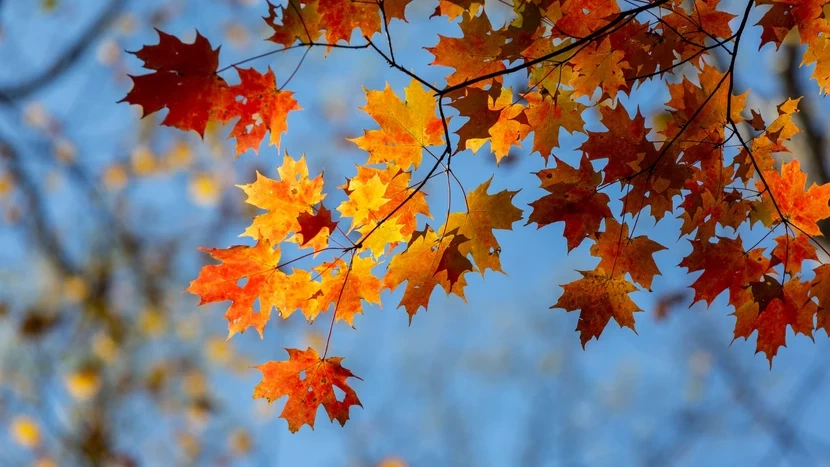
The variety of tree species greatly influences the spectrum of fall leaf color observed in forests and landscapes. Different species exhibit unique pigmentation due to variations in chlorophyll degradation and the production of anthocyanins, carotenoids, and tannins. For instance, maples often display brilliant reds and oranges, attributed to high anthocyanin levels, while oaks typically turn deep russet or brown due to their tannin content. Sweetgum trees showcase a kaleidoscope of colors, ranging from yellow to purple, highlighting their diverse pigment profile. Understanding these species-specific characteristics helps unravel the complexities of what causes fall leaf color, fostering a deeper appreciation for the natural world and its seasonal transformations. Each tree contributes uniquely to the autumnal tapestry, inviting connection and wonder among observers.
Best Scenic Routes for Enjoying Fall Foliage
As autumn descends and foliage transforms, identifying the best scenic routes for experiencing the vibrant display of fall colors becomes essential for nature enthusiasts and travelers alike. Notable routes include the Kancamagus Highway in New Hampshire, renowned for its sweeping views and diverse tree species, which contribute to brilliant hues of red, orange, and yellow. The Blue Ridge Parkway in North Carolina offers breathtaking vistas, complemented by the rich colors of its hardwood forests. Similarly, the Scenic Byway 12 in Utah showcases a striking contrast between the golden aspens and the rugged landscape. These routes not only provide visual splendor but also foster a sense of community among those who share a passion for nature, ultimately deepening their appreciation for what causes fall leaf color.
Frequently Asked Questions
How Do Different Climates Affect Fall Leaf Color?
Different climates influence fall leaf color through variations in temperature, sunlight, and moisture. Cooler nights enhance pigment production, while prolonged sunlight can intensify hues, creating a diverse palette that reflects regional ecological conditions and seasonal changes.
Can Leaf Color Indicate Tree Health?
Leaf color can indeed indicate tree health; vibrant hues often signify robust photosynthesis and nutrient availability, while dull or brown leaves may suggest stress, disease, or environmental factors negatively impacting the tree’s vigor.
What Role Do Nutrients Play in Leaf Color?
Nutrients greatly influence leaf color, as the presence of chlorophyll, carotenoids, and anthocyanins depends on factors like nitrogen and phosphorus availability. Deficiencies may lead to muted colors, indicating potential health issues in trees.
Are There Specific Locations Known for Vibrant Fall Colors?
Certain locations, such as New England and the Great Smoky Mountains, are renowned for vibrant fall colors. Factors like tree species diversity, climate variations, and soil composition contribute greatly to the intensity of autumnal hues in these areas.
How Does Pollution Impact Fall Leaf Color?
Pollution negatively impacts fall leaf color by disrupting photosynthesis and altering chemical processes. Increased pollutants can lead to fewer vibrant hues, causing leaves to turn duller and reducing the overall aesthetic appeal of autumn landscapes.
Conclusion
In conclusion, the vibrant colors of fall leaves are the result of complex biochemical processes influenced by various environmental factors. The breakdown of chlorophyll reveals carotenoids and anthocyanins, creating a palette of hues. Weather conditions, particularly temperature and moisture, play a critical role in this transformation, while different tree species contribute distinct colors. Scenic routes like the Kancamagus Highway and Blue Ridge Parkway offer prime opportunities for observing this natural phenomenon, underscoring the intricate relationship between ecology and aesthetics.
You May Also Like To Read: